 Home and Garden
Quick-Start Completed Metal Roofing Projects Guide: Expert Insights for…
Understanding Metal Roofing Solutions
In the realm of home improvement, metal roofing has emerged as a beacon of durability and modern aesthetic appeal. Homeowners across Southern Ontario are increasingly turning to this long-lasting solution to enhance the functionality and style of their properties. With a range of options available and a growing number of completed metal roofing projects to explore, it’s essential to understand what metal roofing entails and how it can transform your home.
What are Completed Metal Roofing Projects?
Completed metal roofing projects refer to installations that have been finalized, showcasing the benefits and features of metal roofing systems. These projects range from residential homes to commercial buildings, highlighting various styles and applications of metal roofing. Each project serves not only as a functional roof but also as a testament to the aesthetic advancements in roofing technology.
Benefits of Metal Roofing for Homeowners
- Durability: Metal roofs are known for their remarkable lifespan, often exceeding 50 years with proper maintenance. They resist extreme weather conditions, including heavy rains, snow, and high winds.
- Energy Efficiency: Many metal roofing systems are designed with reflective coatings that reduce heat absorption, leading to lower energy bills.
- Environmental Sustainability: Metal roofs are recyclable, making them an eco-friendly choice for homeowners looking to reduce their carbon footprint.
- Variety of Styles: From sleek standing seam to charming metal shingles, metal roofing offers a variety of designs and finishes that can fit any architectural style.
Common Types of Metal Roofing Systems
Homeowners can choose from various metal roofing options, each with distinct advantages:
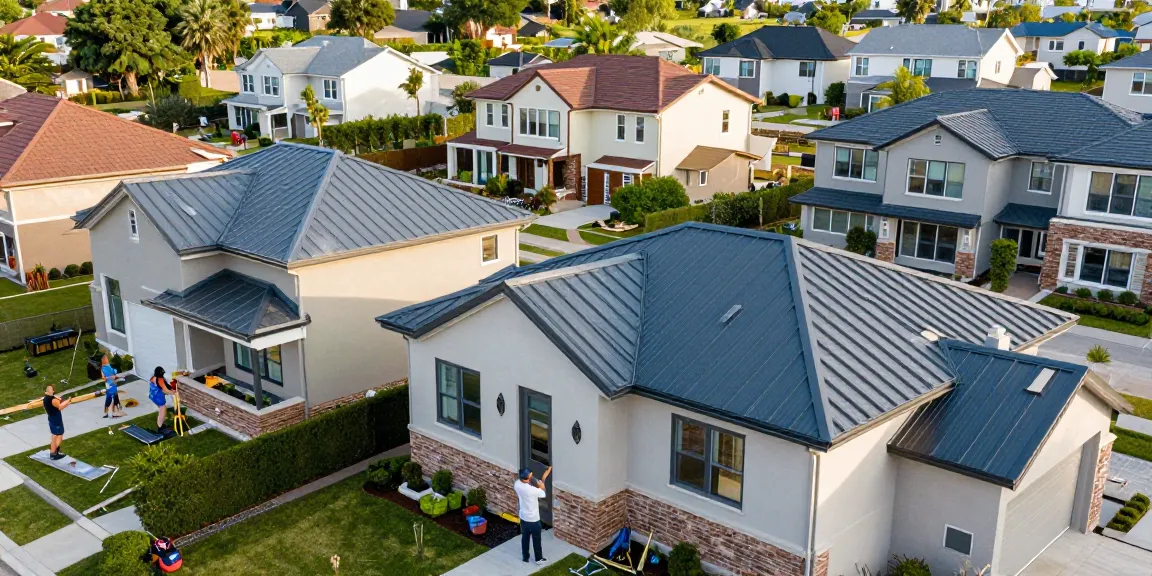
- Standing Seam Metal Roofing: This is celebrated for its clean lines and contemporary look, with vertical seams that interlock to create a waterproof barrier.
- Metal Shingles: These mimic traditional shingles but provide the benefits of metal, such as longevity and greater resistance to the elements.
- Corrugated Metal Roofing: Often used for agricultural buildings, this type is cost-effective and offers excellent durability.
Features to Consider in Metal Roofing Projects
Durability and Longevity of Metal Roofing
Understanding the longevity of metal roofing systems is critical for any homeowner. Metal roofs can withstand severe weather conditions, which is particularly important in areas prone to heavy snowfall or storms. Unlike traditional shingles, which may need frequent replacements, metal roofs offer a low-maintenance solution that can last several decades with minimal upkeep.
Aesthetic Options: Colors and Styles
Metal roofing is available in a vast array of colors and styles, allowing homeowners to match their roofing to the overall aesthetic of their homes. Whether opting for a bold color to make a statement or a classic hue for a more traditional look, metal roofing can complement any architectural style. Additionally, certain finishes can enhance the roof’s reflective properties, further improving energy efficiency.
Essential Installation Techniques for Success
Proper installation is critical to the performance and longevity of metal roofing systems. Key techniques include:
- Underlayment Selection: Choosing the right underlayment helps to mitigate moisture issues and ensures a sturdy base for the roofing material.
- Seam Placement: Correctly aligning the seams prevents leaks and enhances the roof’s structural integrity.
- Ventilation Strategies: Adequate ventilation is essential to prevent heat buildup and prolong the lifespan of the roofing material.
Evaluating Metal Roofing Projects Effectively
How to Assess Completed Metal Roofing Projects?
When evaluating completed metal roofing projects, homeowners should consider several factors. Look for quality in materials and installation techniques. High-quality metal roofs will have smooth seams, well-placed fasteners, and absence of any visible damage or misalignment. Additionally, reviewing before-and-after photos of previous installations can provide insight into how the roof enhances property aesthetics and value.
Comparing Contractor Workmanship and Quality
Choosing the right contractor is essential for a successful metal roofing installation. Homeowners should compare several contractors based on their previous work, customer reviews, and warranties offered. Observing completed projects and asking for references can help ensure you select a skilled contractor who adheres to best practices in metal roofing installation.
Visual Indicators of High-Quality Installations
There are several visual signs that can indicate the quality of a metal roofing installation. Proper alignment of panels, well-executed transitions, and clean edges are all critical. Additionally, pay attention to flashing around chimneys, vents, and edges, as these areas are prone to leaks if not installed correctly.
Steps to Plan Your Own Metal Roofing Project
Conducting an Initial Roof Assessment
The first step in planning a metal roofing project is conducting a thorough assessment of the existing roof structure. This includes checking for water damage, structural integrity, and ventilation issues. A professional inspection can help identify potential problems and ensure the new metal roof is installed on a solid foundation.
Choosing the Right Materials and Designs
Once the assessment is complete, consider which type of metal roofing best suits your home’s needs. Factors such as local climate, architectural style, and personal preferences should guide your decision. Consult with professionals to select materials that will provide the best combination of durability, performance, and visual appeal.
Scheduling and Budgeting for Your Project
Establishing a realistic budget and timeline is crucial for any roofing project. Factor in material costs, potential structural repairs, and labor expenses. Additionally, consider the seasonality of roofing work, as some materials may perform better when installed in specific weather conditions.
Future Trends in Metal Roofing for 2026 and Beyond
Innovative Designs and Sustainability Practices
The future of metal roofing looks promising with trends leaning toward sustainability and innovation. Homeowners are increasingly interested in eco-friendly options, such as roofs made from recycled materials or those designed to optimize energy efficiency. Additionally, innovative designs are making metal roofs more versatile and aesthetically pleasing than ever before.
Impact of Technology on Metal Roofing Installations
Advancements in technology are also shaping the metal roofing industry. From improved manufacturing processes that enhance material quality to the use of drones for inspections, technology is making installation and maintenance more efficient. Homeowners can look forward to more precise applications and better overall results.
Anticipated Developments in Roofing Materials
As the demand for metal roofing grows, manufacturers are continually developing new materials that improve longevity and aesthetics. Future roofing materials may include variations with enhanced thermal resistance, improved coatings for better weather resistance, and options designed to blend seamlessly with solar technology.
Frequently Asked Questions
What should I look for in completed metal roofing projects?
Look for the quality of materials used, installation precision, and the overall aesthetic appeal. Review portfolios and customer testimonials to gauge satisfaction levels.
How do completed metal roofing projects enhance property value?
Metal roofing can significantly increase property value due to its durability, lower maintenance requirements, and energy efficiency. Prospective buyers often view homes with metal roofs as more appealing due to these benefits.
What are the typical costs associated with metal roofing?
The cost of metal roofing can vary widely based on material type, roof size, and location. On average, homeowners can expect to pay between $5 to $12 per square foot for installed metal roofing.
How can I find reliable contractors for metal roofing?
Start by seeking recommendations from friends or family, check online reviews, and ask for contractor portfolios. Always verify their licensing, insurance, and warranty options.
What maintenance do completed metal roofing projects require?
Metal roofs require minimal maintenance but should be inspected regularly for debris accumulation, rust, and seal integrity. Keeping gutters clear and addressing issues promptly can extend the lifespan of your metal roof.