 Pets and Animals
Cages For Animal Professionals: Your Strategic Advantage in 2026
Understanding the Importance of Cages For Animal Professionals
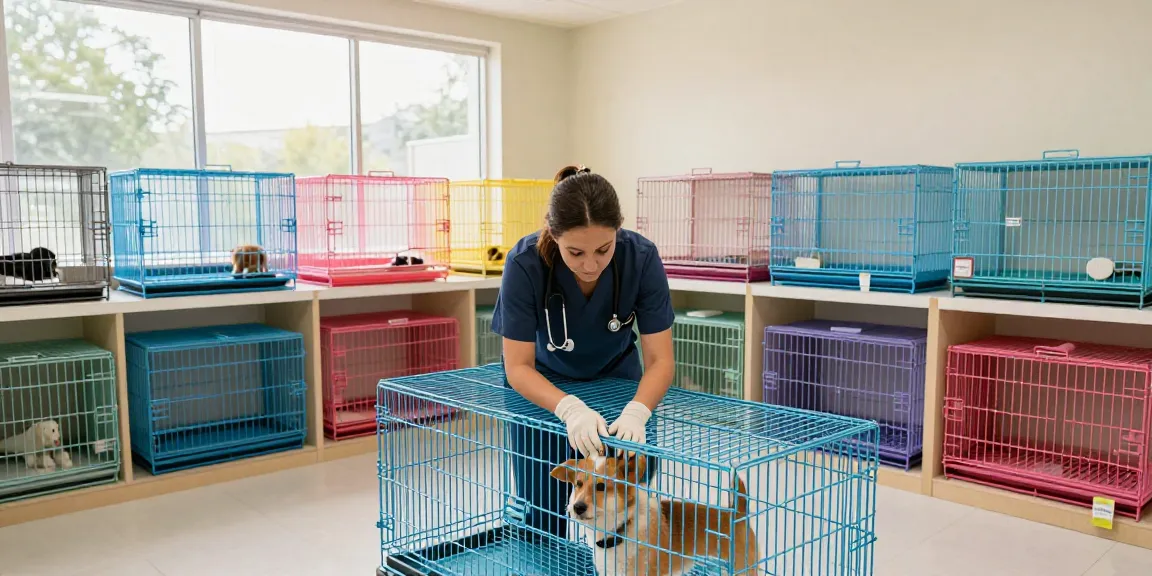
In the world of animal care, the significance of high-quality cages cannot be overstated. As caretakers, whether in veterinary clinics, pet boarding facilities, or grooming salons, professionals understand that providing a safe and comfortable environment is crucial for the well-being of their animal patients. The right cages not only ensure security but also promote health and comfort—elements that are critical in this industry. When exploring options, Cages For Animal Professionals provides comprehensive insights into the best products available on the market.
Why Quality Matters in Animal Care
Quality is paramount when it comes to cages, as they serve as the primary housing for animals during critical periods in their care. Durable cages made from high-quality materials withstand frequent use and cleaning, preventing wear and tear that could compromise the safety of the animals. Additionally, high-quality cages are designed to minimize stress for animals, contributing to better overall health outcomes.
Common Types of Cages and Their Functions
- Veterinary Cages: These are designed specifically for clinics to house animals during treatment or recovery. They often feature ventilation systems and removable trays for easy cleaning.
- Boarding Cages: Ideal for pet boarding facilities, these cages provide comfort and safety for pets away from home.
- Grooming Cages: Groomers often use cages that allow for temporary holding while pets await their appointments, ensuring their safety without compromising comfort.
- Cat Condos: Specialized for feline friends, these units provide entertainment and comfort, reducing stress while also allowing for observation.
- Rescue Cages: Essential for shelters and rescue organizations, these cages accommodate various sizes and species, ensuring all animals are housed safely.
How Cages Impact Animal Health and Behavior
The impact of proper housing on animal health cannot be overstated. Stress-related behaviors in animals can arise from inadequate housing, leading to a range of health issues. Quality cages contribute to emotional well-being by providing secure spaces where animals can feel safe and relaxed. This ultimately fosters a more positive behavior profile, which is essential in environments where animals may already be feeling vulnerable.
Choosing the Right Cage for Your Facility
When it comes to selecting the right cages, understanding your specific operational needs is crucial. Every facility will have different requirements based on the types of animals they care for, the available space, and the services they provide. Assessing these factors will guide your decision-making process in choosing the most appropriate cage solutions.
Assessing Space and Layout Needs
Evaluating the available space is the first step when choosing cages. Facilities should consider the layout and design of their operations to ensure cages fit seamlessly into the environment. It’s also essential to think about the flow of animal movement within the space. Cages should not only fit well but also promote efficiency in daily operations.
Material Considerations: Steel vs. Plastic
Two popular materials for cages are stainless steel and high-density polyethylene (plastic). Steel cages are renowned for their durability and resistance to damage, making them ideal for environments with heavy use. On the other hand, plastic cages can be lightweight and easier to clean; however, they may not withstand the same level of abuse as steel. Consider the specific needs of your facility when making this choice, weighing durability against ease of maintenance.
Custom Solutions for Unique Requirements
For facilities that face unique challenges, custom cage solutions may be necessary. Customization allows for adjustments that can cater to specific animal needs or space constraints, enhancing both functionality and aesthetics. Collaborating with manufacturers who understand these needs is key in ensuring you get a solution that truly works for your facility.
Best Practices in Cage Maintenance and Hygiene
Maintaining high hygiene standards is crucial in any animal care facility. Proper maintenance of cages not only ensures animal health but also contributes to overall operational efficacy and compliance with regulations. Regular cleaning and inspection routines should be established to prevent the spread of diseases.
Cleaning Protocols for Various Materials
Different cage materials require specific cleaning protocols to maintain their integrity. Steel cages can often withstand harsher chemicals, while plastic cages may require gentler solutions to avoid damage. Understanding the correct cleaning procedures will extend the lifespan of your cages and ensure a sanitary environment for animals.
Preventing Disease Transmission Among Animals
One of the primary roles of cages is to prevent the spread of disease among animals. This can be achieved not only through proper cleaning but also by segregating sick animals and using dedicated cages for those in treatment. Implementing these strategies effectively creates a safer environment for all animals in your care.
Regular Maintenance Checks: What to Look For
Regular checks of cages should include inspections for wear and tear, ensuring doors and locks function properly, and identifying any potential hazards. These maintenance activities will promote safety and prevent accidents in a busy animal care environment.
Customer-Centric Features of Modern Cages
Modern cages are designed with both animals and care professionals in mind. Features that enhance comfort and safety are becoming increasingly prevalent, ensuring that cages serve their purpose effectively without compromising animal welfare.
Enhancing Comfort for Animals
Comfortable cages incorporate features such as padded resting areas, adjustable ventilation, and adequate space for movement. These aspects not only improve the animal’s experience but also make observations easier for professionals.
Safety Innovations in Cage Design
Innovative design features, such as secure locking mechanisms and non-toxic materials, enhance safety in cages. Ensuring that cages are escape-proof reduces the risk of accidents, which is crucial in any care setting.
Convenience for Animal Professionals
Convenient features such as removable trays for easy cleaning, adjustable shelving, and stackable designs can significantly ease the workload for animal professionals. These enhancements contribute to a smoother workflow, allowing caretakers to focus more on the animals and less on the logistics of their care.
Future Trends in Cages For Animal Professionals by 2026
As we look towards the future, advancements in cage design and functionality are anticipated to continue evolving, particularly in response to growing demands for animal welfare and operational efficiency.
Eco-Friendly Materials and Sustainability
Sustainability is becoming increasingly important in manufacturing practices across all industries, including pet care. Eco-friendly materials that offer durability without harming the environment are likely to gain popularity, allowing professionals to care for animals while also protecting the planet.
Technological Integrations for Monitoring
The integration of technology in cages, such as temperature and humidity monitoring systems or automated feeding solutions, is expected to enhance care for animals significantly. These systems can provide real-time data, helping professionals respond swiftly to any issues.
Predictions for Marketplace Changes and Innovations
As consumer awareness about animal welfare grows, there’s likely to be a shift towards more specialized and customizable cage options. Facilities that adopt innovations early will likely find themselves ahead of the competition, catering to discerning clients who prioritize animal well-being.
What Should You Look for in Future Cage Options?
When considering future cage options, look for features that prioritize animal comfort, safety innovations, and sustainability. Evaluating how these features align with your operational needs will help guide your purchasing decisions as new products emerge.
How to Prepare Your Facility for Upcoming Trends?
Staying ahead of trends involves not only keeping an eye on new products but also being open to re-evaluating existing practices and infrastructure. Preparing for future trends may require investing in training for staff or upgrading current equipment to accommodate emerging technologies.